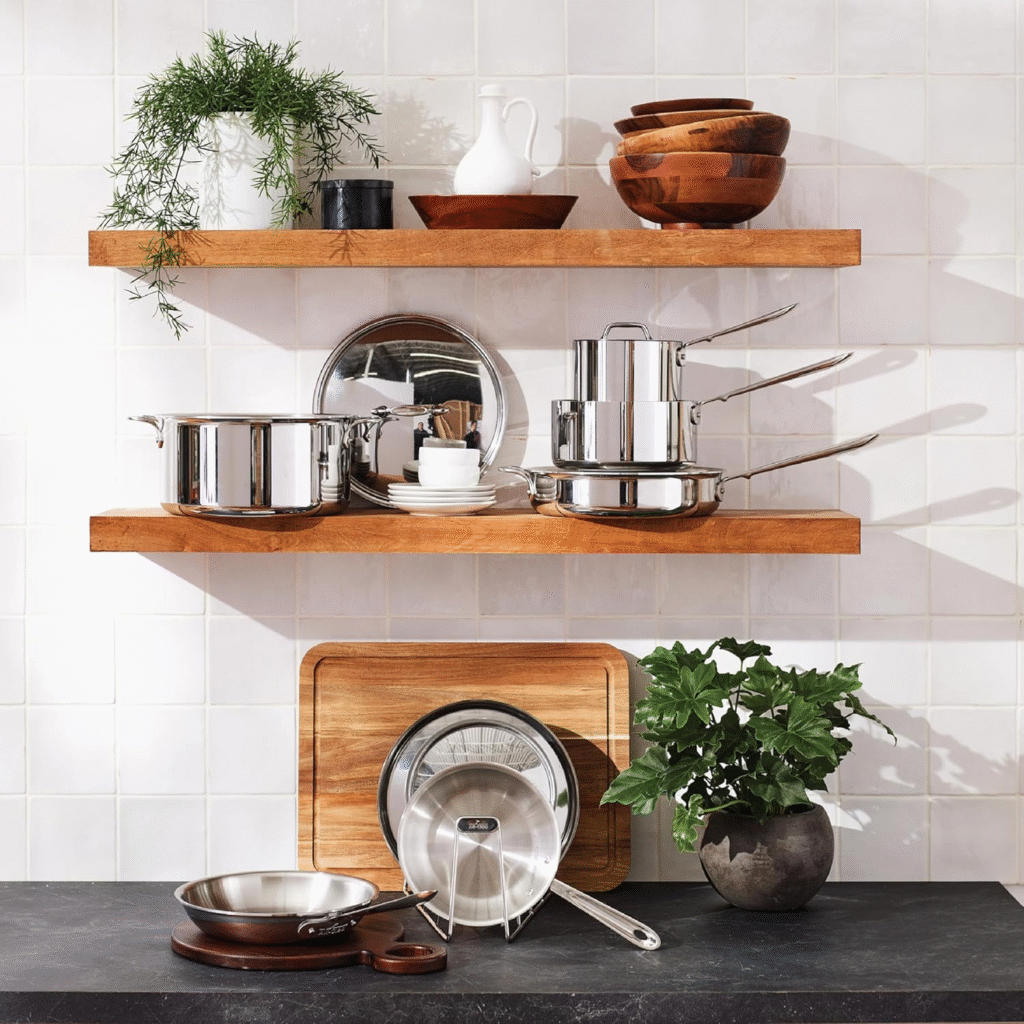
Introduction to the Versatility of a Saucepan
Think of your saucepan as the Swiss Army knife of your kitchen. From boiling pasta to making silky pastry creams, it’s the one tool that can quietly transform your cooking game. While it might not have the glamour of a stand mixer or the drama of a chef’s knife, a good saucepan is a true culinary workhorse.
What is a Saucepan?
Definition and Basic Features
A saucepan is a round, deep pan with high sides, a long handle, and typically a lid. It’s designed to handle liquids efficiently, making it perfect for boiling, simmering, and reducing.
Different Materials Used
- Stainless Steel: Durable, non-reactive, and dishwasher-friendly.
- Copper: Excellent heat conductivity but needs regular polishing.
- Aluminum: Lightweight and affordable, often with a nonstick coating.
The Anatomy of a Great Saucepan
Handle Design and Comfort
A comfortable, heat-resistant handle makes lifting and pouring safer and easier.
Lid Quality and Fit
A tight-fitting lid locks in heat and moisture—essential for simmering sauces or cooking rice.
Base Thickness for Even Heat Distribution
A thick, multi-layered base prevents hot spots and ensures your food cooks evenly.
Why Every Kitchen Needs a Good Saucepan
Multi-Purpose Cooking Tool
From pasta water to creamy risottos, your saucepan can handle it all.
Space-Saving Advantage
One quality saucepan can replace several specialty pots.
Durability and Long-Term Value
Investing in a sturdy saucepan saves money in the long run.
Cooking Pasta in a Saucepan
Tips for Perfect Pasta Every Time
Use plenty of salted water, stir occasionally, and taste-test for doneness.
Preventing Sticking and Clumping
Don’t add oil—just stir in the first few minutes to keep noodles separate.
Making Sauces Like a Pro
From Béchamel to Tomato Sauce
Your saucepan is the ideal tool for gently heating and thickening sauces.
Achieving the Perfect Consistency
Stir regularly and control the heat to avoid lumps or scorching.
Baking and Pastry Uses
Melting Butter and Chocolate
A saucepan lets you melt ingredients gently, without burning.
Preparing Custards and Pastry Creams
Low, steady heat helps create smooth, lump-free desserts.
Steaming and Poaching in a Saucepan
Vegetables and Seafood Steaming Tips
Use a steamer basket inside your saucepan for tender, nutrient-rich veggies.
Poaching Eggs, Fruits, and Chicken
Keep water at a gentle simmer for perfectly poached results.
The Role of a Saucepan in Everyday Cooking
Reheating Leftovers
Gentle heat brings food back to life without drying it out.
One-Pot Meals and Soups
A saucepan can handle smaller batches of hearty soups or stews.
Choosing the Right Saucepan for Your Needs
Size Considerations
For daily cooking, a 2-3 quart size is the most adaptable.
Material Pros and Cons
Match your saucepan material to your cooking style and budget.
Caring for Your Saucepan
Cleaning Tips for Different Materials
Hand-wash nonstick; stainless steel can go in the dishwasher.
Avoiding Damage and Prolonging Lifespan
Use wooden or silicone utensils and avoid high heat for nonstick pans.
Common Mistakes When Using a Saucepan
Overheating and Scorching Food
Always preheat gradually; avoid cranking the heat to max.
Using Metal Utensils on Nonstick Surfaces
This can scratch and ruin the coating.
Budget vs. Premium Saucepans
When to Invest in High-End Cookware
If you cook often and want lasting quality, premium is worth it.
Affordable Options That Perform Well
Plenty of budget-friendly brands offer great performance for home cooks.
Final Thoughts
From pasta night to weekend baking projects, the humble saucepan proves itself again and again. It’s not just a pot—it’s a partner in your culinary adventures. Whether you’re simmering, steaming, or whisking up dessert, a good saucepan makes all the difference.
Buy best Saucepans At amazon >>
FAQs
Q1: Can I use a saucepan in the oven?
Only if it’s oven-safe and doesn’t have plastic handles.
Q2: What size saucepan is best for everyday cooking?
A 2–3 quart saucepan works for most tasks.
Q3: Can I deep fry in a saucepan?
Yes, for small batches; just keep a close eye on the oil’s temperature.
Q4: How do I prevent my sauces from burning?
Use low heat and stir regularly.
Q5: Is a copper saucepan worth it?
If you value precision heat control and are willing to maintain it, absolutely.