🌼 Introduction to Victorian Gardens
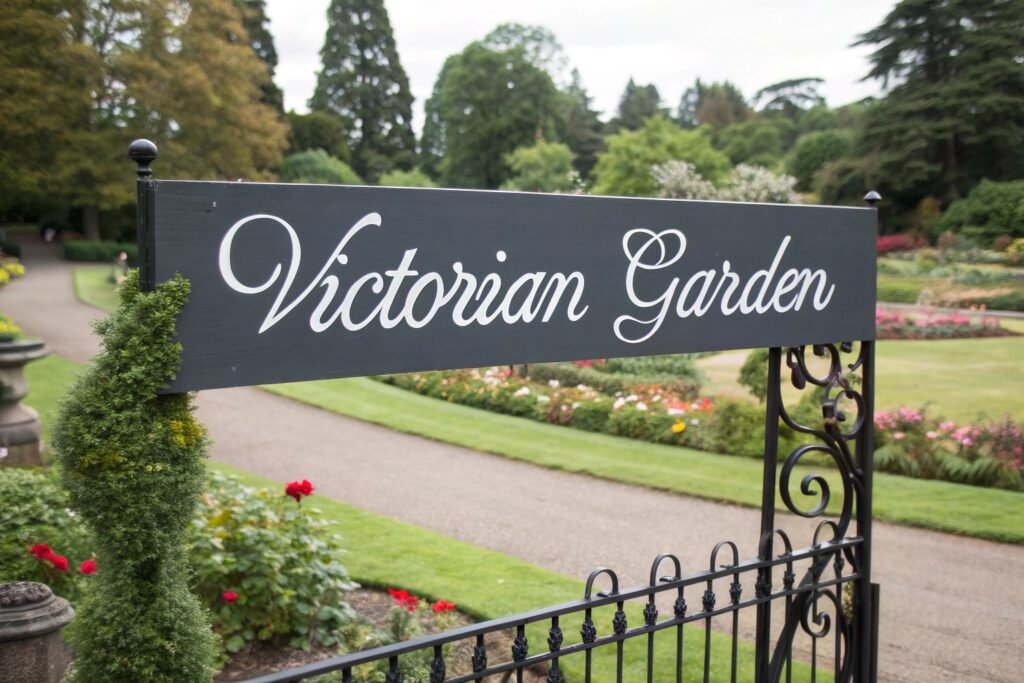
Victorian gardens are the epitome of romanticism, structure, and visual splendor. Think of them as outdoor parlors dressed in blooms, ironwork, and symmetry. They’re a reflection of a time when gardens were not just for utility but for beauty and leisure.
🌿 Origins and Historical Background
The Victorian era (1837–1901) was a time of exploration, innovation, and of course, the height of the British Empire. With access to exotic plants from around the globe, homeowners began to use gardens as a symbol of status and taste. Wealthy families curated lush, ornate spaces inspired by nature and art.
🌟 Why They Still Inspire Gardeners Today
Today, Victorian gardens still captivate because of their timeless beauty and structured elegance. They offer a perfect balance between order and extravagance — ideal for anyone who loves both floral abundance and visual harmony.
📐 Planning Your Victorian Garden
Before planting a single flower, you need a solid plan.
📍 Choosing the Right Location
Pick an area that receives good sunlight, but also has some partial shade — a mix is essential for the diverse plant types you’ll include.
🌱 Climate and Soil Considerations
Victorian gardens favor loamy, nutrient-rich soil. You may need to amend your soil with compost or peat moss for optimum results.
🗺 Layout Ideas for a Classic Feel
Draw inspiration from formal English garden designs. Think central paths, symmetrical beds, and focal points (like fountains or statues) aligned along visual lines.
🎨 Key Elements of a Victorian Garden
Victorian gardens are defined by structure and charm.
📏 Symmetry and Structure
They’re all about balance. Pathways should divide the garden evenly. Flower beds mirror each other. Neatly trimmed box hedges and topiary add definition.
🎯 Focal Points and Decorative Features
Add a central feature such as a sundial, urn, or ornate statue. These help direct the eye and make the space feel intentional.
🚶 Pathways and Borders
Brick, gravel, or cobblestone paths bordered with lavender or clipped boxwood create a timeless walkway through your garden.
🌸 Must-Have Victorian Garden Plants
Your plant choices make or break the look.
🌹 Flowers That Define the Era
- Roses (especially tea and climbing varieties)
- Hollyhocks
- Delphiniums
- Foxgloves
- Geraniums
- Pansies
- Peonies
These were all staples of Victorian flower beds.
🌳 Ornamental Shrubs and Trees
Incorporate lilacs, camellias, rhododendrons, and small ornamental trees like Japanese maple or magnolia.
📅 Seasonal Planting Guide
Victorian gardens bloom in waves:
- Spring: Tulips, primroses, pansies
- Summer: Roses, delphiniums, peonies
- Autumn: Dahlias, asters
- Winter: Evergreens and hellebores for year-round interest
🪑 Garden Furniture and Ornaments
A Victorian garden isn’t complete without vintage accents.
🪙 Cast Iron Benches and Fountains
Classic black or white iron benches provide character and seating. Pair with tiered fountains for that regal touch.
🌿 Trellises, Arches, and Gazebos
Use trellises and arches for climbing roses or ivy. Gazebos offer shade, elegance, and a romantic retreat.
💧 Incorporating Water Features
Victorians adored water in their gardens.
⛲ Victorian Fountains
Centerpiece-worthy, these usually feature cherubs, lions, or floral motifs. Calm and charm are added by the sound of flowing water.
🦜 Birdbaths and Ponds
Simple stone birdbaths attract wildlife and enhance the garden’s liveliness. Small fishponds add a whimsical edge.
🌈 Color Schemes in Victorian Garden Design
🎨 Using Rich, Bold Colors
Victorian gardeners weren’t shy. Bright reds, purples, golds, and pinks ruled the beds. Use contrasting blooms for maximum visual drama.
🌺 Flower Bed Combinations
Try pairing:
- Purple delphinium with pink peonies
- Scarlet geraniums with yellow marigolds
- White roses with lavender
🧹 Victorian Garden Maintenance Tips
Beauty needs upkeep!
✂ Pruning and Shaping Techniques
Keep shrubs trimmed and flower beds tidy. Prune roses regularly and deadhead to promote new growth.
🧪 Fertilizing and Pest Control
Use organic compost, fish emulsion, or slow-release fertilizers. For pests, Victorian-style remedies included neem oil and hand-picking — still effective today!
🏡 Creating Intimate Garden Rooms
Victorian gardens often feel like a series of small, connected worlds.
🌳 Dividing Spaces with Hedges and Paths
Low boxwood hedges and curved paths help separate areas for flowers, vegetables, or seating.
🪟 Hidden Corners and Seating Areas
Create cozy nooks with vintage chairs and bistro tables tucked behind flowering shrubs.
🏙 Using Victorian Garden Design for Small Spaces
Live in a city or have a tiny yard? No problem.
🪴 Courtyards and Patios
Arrange pots of heritage flowers, a mini iron bench, and a small fountain for a Victorian feel in tight spaces.
🌿 Vertical Gardening with a Victorian Twist
Use wrought iron wall hangers, climbing roses, or trellised vines to draw the eye upward.
💡 Lighting Your Garden the Victorian Way
🕯 Lanterns and Wrought Iron Lamps
Victorian-style lanterns (solar or electric) on tall posts or hanging from arches add a vintage glow after sunset.
🔄 Modern Twists on Victorian Gardens
🧘 Mixing in Contemporary Features
Add a Zen element like smooth river stones or a modern sculpture for balance and freshness.
🪴 Low-Maintenance Alternatives
Use perennial flowering plants and gravel beds to reduce upkeep while keeping the style.
💰 Budget-Friendly Victorian Garden Ideas
🔧 DIY Décor and Repurposed Materials
Repurpose old furniture, thrift-store finds, or even metal bedframes as garden features. Paint old chairs or ladders for vintage flair.
⚠️ Common Mistakes to Avoid
❌ Overcrowding and Inconsistent Styles
Stick to a color scheme, and don’t overfill your garden with too many plant types. Balance lushness with breathing room.
🎉 Conclusion
Designing a Victorian garden is like crafting your own enchanted escape — elegant, personal, and timeless. Whether you’re working with acres or a balcony, adding even a few Victorian touches can completely transform your outdoor space. With the right planning, plants, and accents, your garden can bloom into a charming, classic retreat.
Buy All Victorian Garden Products At Amazon >>
❓FAQs
1. What defines a Victorian garden?
A Victorian garden is known for its symmetrical design, bold flowers, ornate features, and formal layout — all meant to evoke elegance and luxury.
2. Can I create a Victorian garden in a small space?
Absolutely. Focus on containers, vertical planting, and a few key decorative items like an iron bench or vintage lantern.
3. Are Victorian gardens high-maintenance?
They can be, due to formal layouts and delicate flowers. But modern choices like hardy perennials and smart layout design can reduce effort.
4. What are the best flowers for a Victorian garden?
Roses, delphiniums, foxgloves, hollyhocks, peonies, and pansies are top picks.
5. How do I add Victorian charm on a budget?
Use thrifted or DIY décor, repurposed iron furniture, and focus on a small number of dramatic plants.