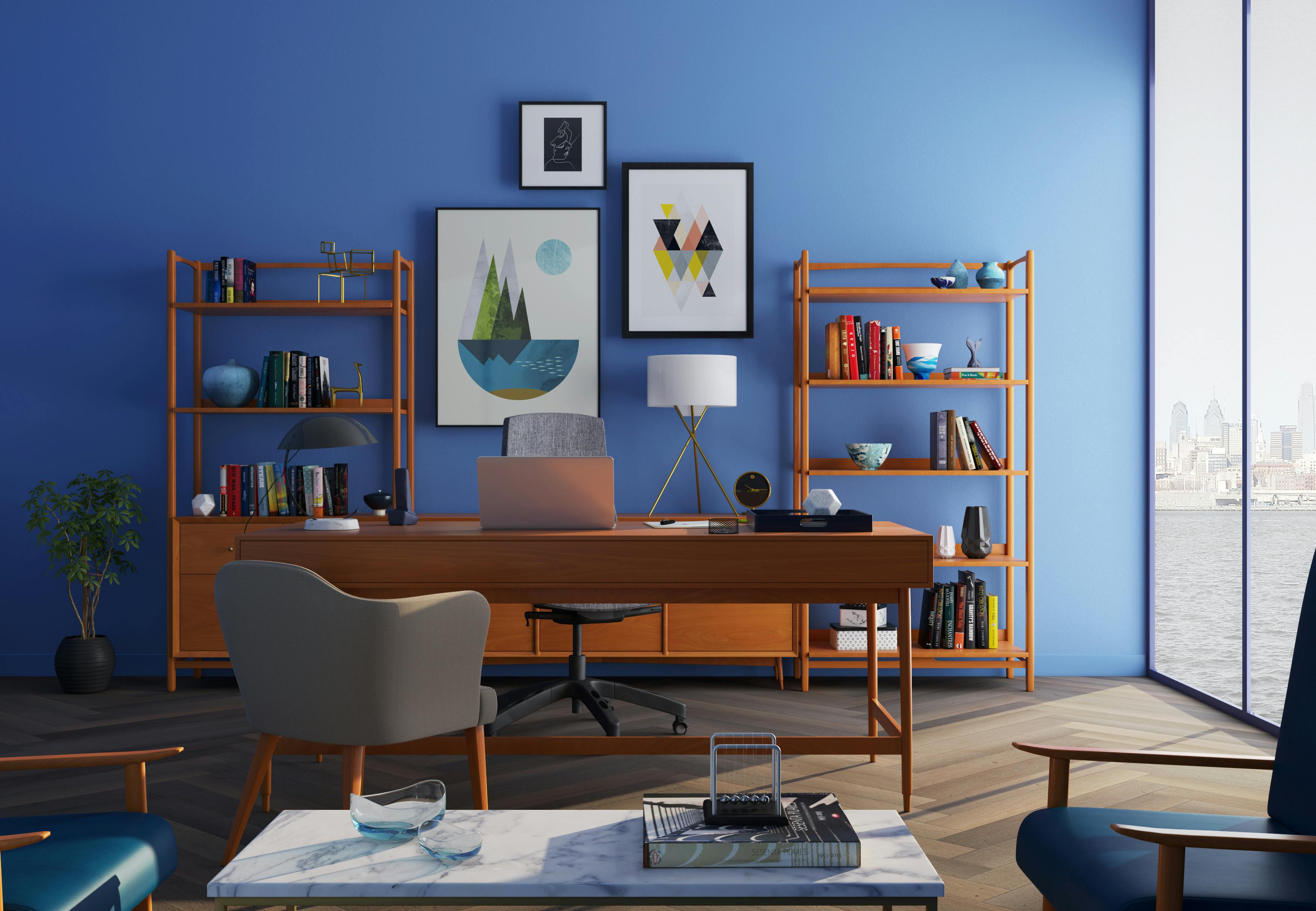
🏠 What is Home Staging?
Home staging is the art—and science—of preparing a property for sale by making it look its absolute best. But it’s not just about style; it’s about psychology. You’re not just decorating a space—you’re creating an emotional experience that gets buyers to fall in love at first sight.
🧠 Why Psychology Matters in Real Estate
Let’s face it, purchasing a home is an emotional choice as much as a financial one. The way a space feels influences the decisions that buyers make.The right staging taps into subconscious desires, signaling comfort, aspiration, and security.
⏳ First Impressions are Everything
The 7-Second Rule
Studies show that people form opinions in just 7 seconds. That’s faster than you can say “welcome home.” Staging is your chance to control that first impression and ensure it’s a good one.
Curb Appeal and Its Influence
Before they even open the front door, buyers are judging the exterior. Fresh paint, tidy landscaping, and a welcoming porch light can all quietly whisper, “This is the one.”
❤️ Emotional Connection: The Secret Weapon
Making Buyers “Feel at Home”
The goal? Buyers ought to picture themselves in the house already. Soft throws, cozy furniture, and warm lighting create a sense of comfort and belonging.
The Role of Nostalgia and Aspirational Living
Staging can trigger powerful emotions by subtly hinting at childhood memories or dreams of a better lifestyle—like a reading nook, a coffee corner, or a family-style dining setup.
🧹 Decluttering: The Psychology of Space
Minimalism Creates Mental Clarity
A cluttered space = a cluttered mind. Clean, minimalist spaces allow buyers to think clearly and imagine the home as a peaceful retreat.
Less Clutter = More Imagination
When there’s too much “stuff,” buyers focus on your life—not theirs. Keep it simple so their imagination can run wild.
🎨 Color Psychology in Staging
Neutral Colors = Emotional Safety
Beige, soft greys, and warm whites help people feel calm and open. They serve as a blank canvas on which purchasers can impose their own ideas.
Accent Colors That Spark Joy
Add a pop of color—maybe a cheerful yellow pillow or a deep navy vase. These accents keep the home from feeling sterile and add emotional vibrancy.
🪑 Furniture Placement and Flow
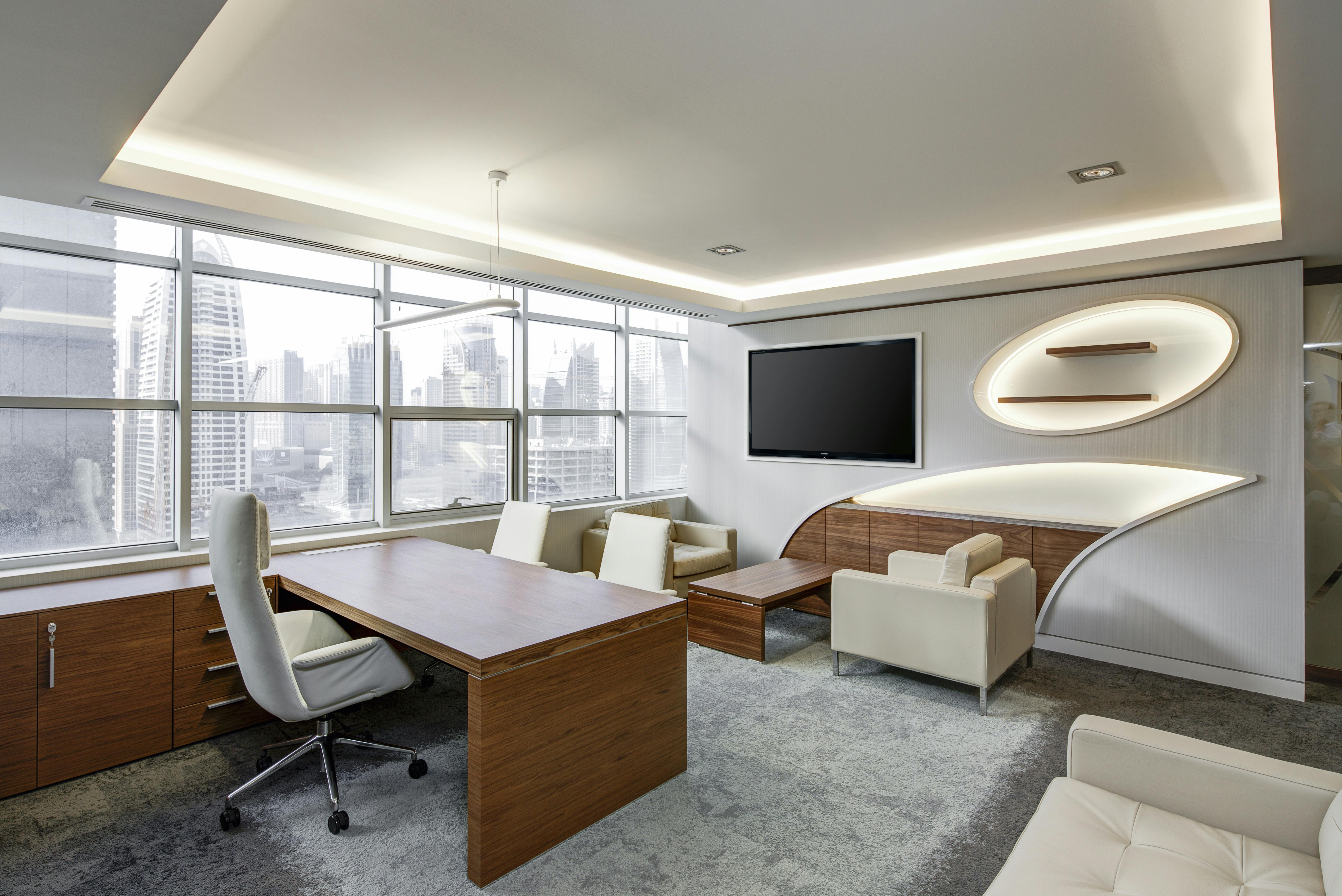
Encouraging Movement
The layout should guide people naturally through the space. Avoid blocking walkways and always aim to create a “flow” that feels intuitive and inviting.
Open Space, Open Mind
Tight spaces can feel stressful. Strategic furniture placement makes rooms feel larger and more breathable.
💡 Lighting: The Mood Enhancer
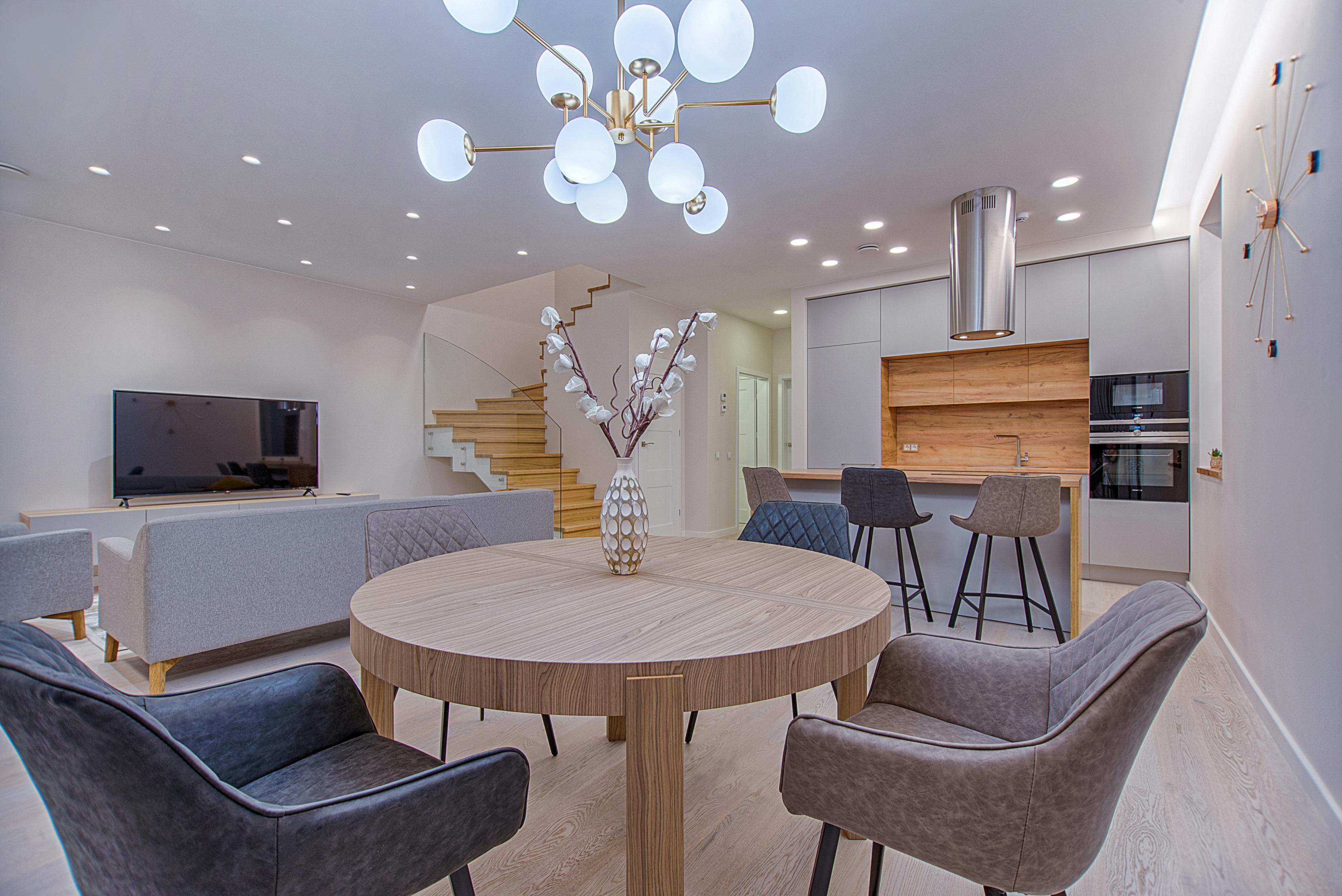
Natural Light vs Artificial Light
Sunlight is a game-changer. It improves mood in addition to making spaces brighter. Use sheer curtains or none at all to let in maximum daylight.
Brightness and Emotional Warmth
Use warm-toned bulbs for a cozy glow and place lamps in dark corners to eliminate gloom. Bright homes feel happy. Dark ones? Not so much.
👃 Scent and Sensory Triggers
Scents that Sell Homes
Citrus, lavender, vanilla, and freshly baked cookies? Yes, please. These scents evoke feelings of cleanliness and comfort.
Avoiding Overwhelming Fragrances
Be subtle. An overpowering scent can send buyers right back out the door. Diffusers work better than plug-ins or sprays.
🔍 The Illusion of Bigger Spaces
Mirrors and Angles
Mirrors give the appearance of depth and bounce light, which enlarges small spaces. Place them strategically to enhance natural light.
Light Colors and Spacious Feel
Whites and pastels make rooms feel airy and open. Avoid dark tones in small spaces—they shrink the room visually.
🖼️ Personal Items: To Hide or Not to Hide?
Depersonalization Strategy
Remove family photos and personal items. Buyers need to picture themselves living there, not feel like they’re visiting someone else’s home.
Subtle Personal Touches that Work
A stylish coffee table book, a tasteful piece of art, or a curated shelf can still add soul to a home—without making it “yours.”
👥 Targeting Buyer Demographics
Know Your Ideal Buyer
Is your home perfect for a young couple, a family, or a retired downsizer? Stage it accordingly. A home office might matter more than a playroom.
Match Staging to Lifestyle Needs
If your likely buyer loves entertaining, show off a bar area or cozy outdoor space. Tailor your staging to match their dreams.
📖 The Power of Storytelling in Staging
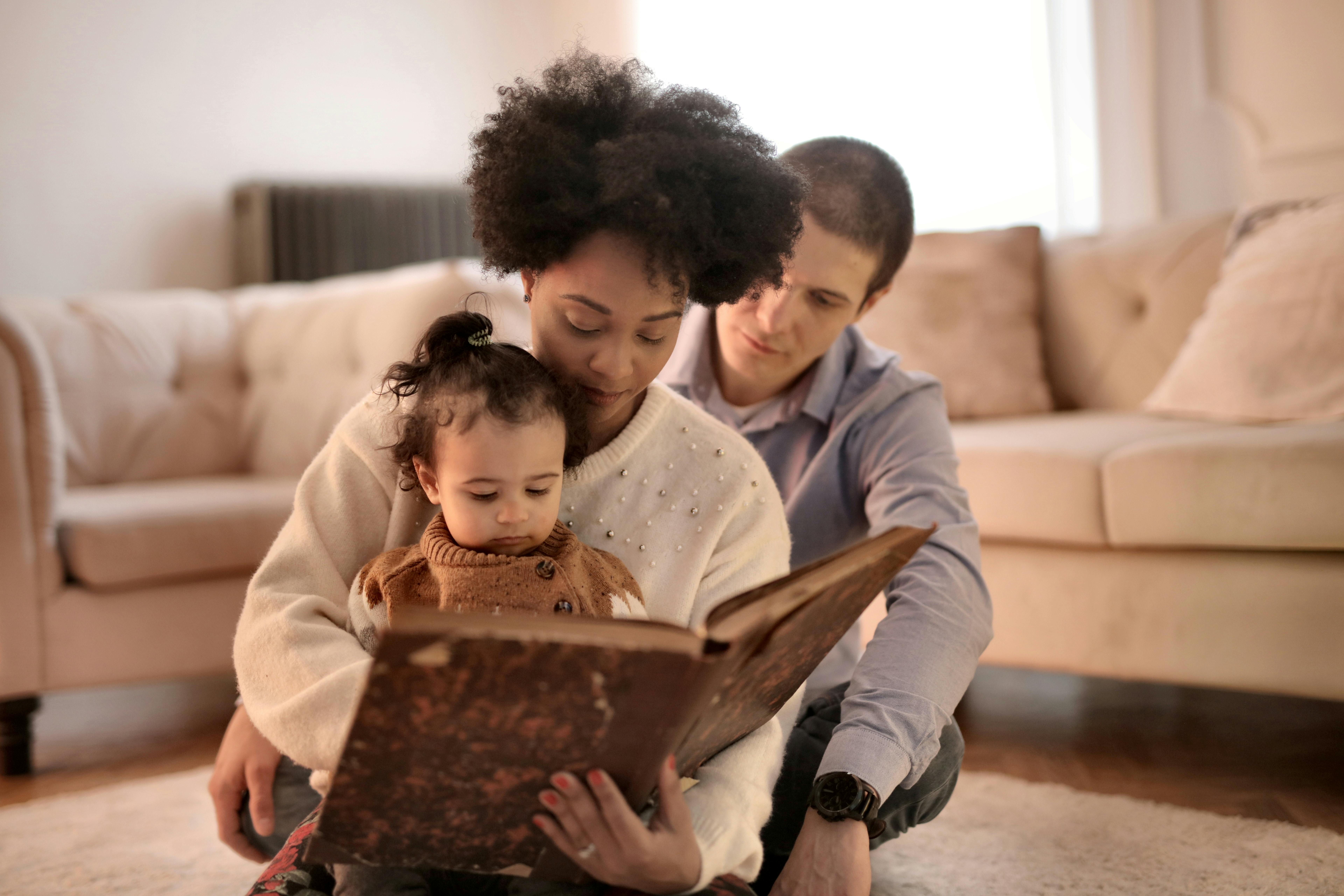
Creating Scenes in Each Room
Set the stage: A breakfast tray on the bed, a book on the patio chair, or wine glasses on the counter. Each setup tells a story.
Lifestyle Marketing Techniques
Make buyers visualize the life they want. It’s not about selling square footage—it’s about selling a lifestyle.
💻 Digital Staging Psychology
First Click vs First Visit
Buyers quickly form opinions about online listings based on pictures. If the staging doesn’t pop digitally, they may never book a tour.
Online Browsing Behavior
Highlight key features in your main photos—kitchen, living room, and master bedroom. Keep visuals clean and clutter-free.
🚫 Staging Mistakes that Turn Off Buyers
Over-Staging
Too much styling looks fake and staged. Keep it natural, warm, and believable.
Outdated Décor and Styles
Avoid trends that have passed their prime. Think classic and neutral instead of shag rugs and fake ivy.
🛋️ Case Studies: Before and After Staging
Real Results, Real Buyer Reactions
Homes that were staged sold 73% faster and for more money, according to the National Association of Realtors.
Psychological Shifts Post-Staging
Buyers often describe staged homes as “inviting,” “peaceful,” or “I can totally see myself here.” That’s psychology doing its magic.
🎯 Conclusion
Home staging isn’t just about aesthetics—it’s about emotions. It’s about tapping into the mind of the buyer and silently convincing them that this is where their next chapter begins. If you understand the psychology behind what makes people tick, you can stage a home that doesn’t just show well—it sells fast.
❓FAQs
1. Does home staging really make a difference in sale price?
Yes! Compared to unstaged homes, professionally staged homes typically sell for 5–10% more and faster.
2. Can I stage my home myself without a professional?
Absolutely. With the right tips and effort, DIY staging can be highly effective—just stick to proven psychological principles.
3. Should every room in my home be staged?
Focus on key areas: the living room, kitchen, master bedroom, and bathrooms. These are the most emotionally charged zones.
4. Is virtual staging as effective as physical staging?
Virtual staging is great for online impact but won’t help during walkthroughs. Ideally, use both if possible.
5. How much does home staging typically cost?
It depends on the size and location of your home, but expect anywhere from $500 to $2,500+. Many find it’s worth every penny.