Let’s face it—nothing beats a glass of fresh, nutrient-packed juice. But if you’re using a regular juicer, you’re probably leaving behind a lot of the good stuff. Enter cold press juicers: the superheroes of the juicing world. Let’s dive into the best cold press juicers that can transform your health game and give your mornings a much-needed glow-up.
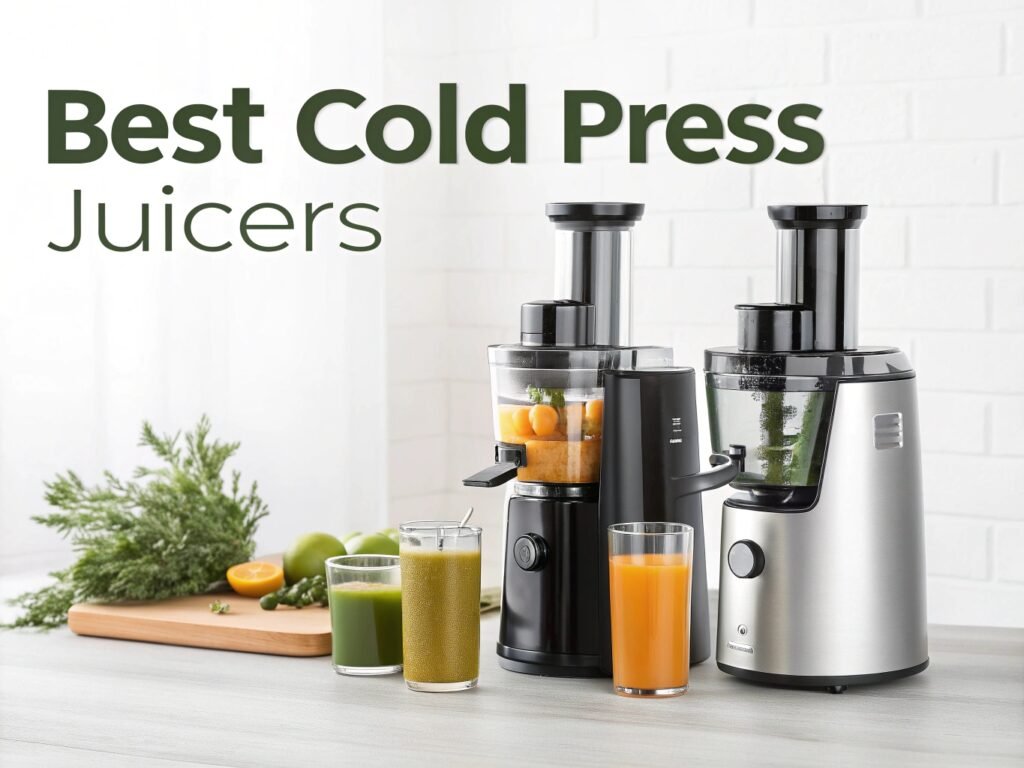
What is a Cold Press Juicer?
Cold press juicers, also known as masticating juicers, work by slowly crushing and pressing fruits and vegetables to extract juice. Unlike fast-spinning centrifugal juicers, these machines operate at a lower RPM to reduce heat and oxidation, preserving more nutrients.
Why Choose Cold Press Over Centrifugal?
Here’s the deal—centrifugal juicers are speedy but sloppy. They use high-speed blades that create heat, killing off vital enzymes and nutrients. Cold press juicers? They keep things chill—literally. The result is richer, healthier juice with a longer shelf life.
Benefits of Cold Press Juicing
More Nutrients, Less Heat
Think of cold press juicing as slow cooking for juice. You preserve vital vitamins and enzymes that high-speed juicers destroy.
Better Juice Shelf Life
Cold-pressed juice can last up to 72 hours in the fridge without losing its nutritional punch. That’s perfect for batch juicing.
Quieter Operation
Ever feel like your juicer is launching a spaceship? Cold press juicers are whisper-quiet by comparison—your ears (and roommates) will thank you.
Higher Juice Yield
They squeeze out every drop—seriously. That means more juice and less waste.
Key Features to Look for in a Cold Press Juicer
Motor Power and RPM
Look for a juicer with a strong motor (150-250 watts) and a low RPM (around 40-80). This balance ensures powerful yet gentle juicing.
Feed Chute Size
A larger chute means less chopping—huge time saver!
Ease of Cleaning
Nobody wants to spend 30 minutes scrubbing pulp. Go for models with dishwasher-safe parts or easy-clean features.
Materials and Durability
Stainless steel and BPA-free plastics are best. You want something that lasts.
Warranty and Customer Support
A good warranty (at least 2-10 years) shows the company stands behind its product.
Top 7 Best Cold Press Juicers
1. Omega NC900HDC

- Pros: Powerful motor, multi-purpose (makes nut butter, pasta, etc.)
- Cons: Slightly bulky
- Best For: Serious juicers and health enthusiasts
2. Hurom H-AA Slow Juicer
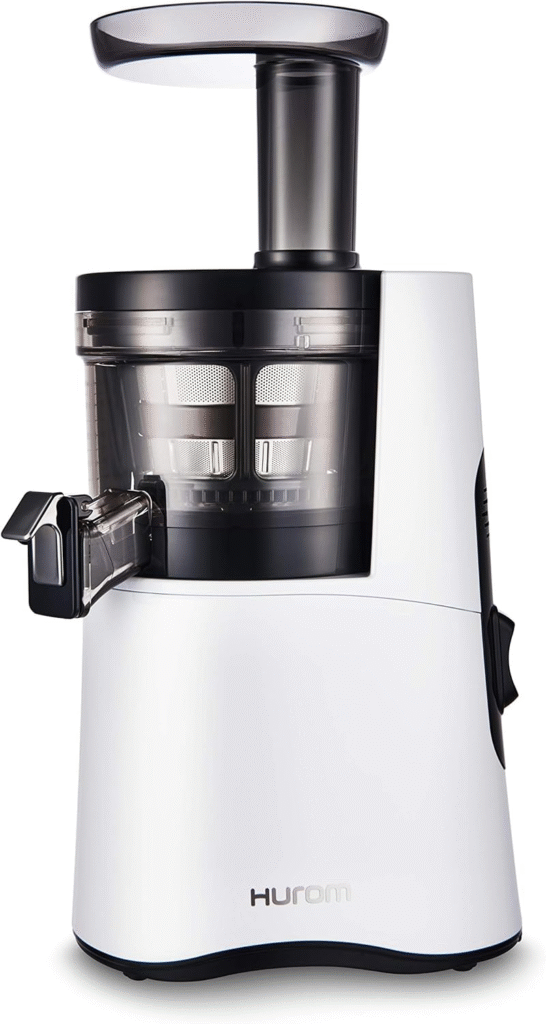
- Pros: Sleek design, excellent for leafy greens
- Cons: Pricier than others
- Best For: Style-conscious juicers
3. Kuvings EVO820
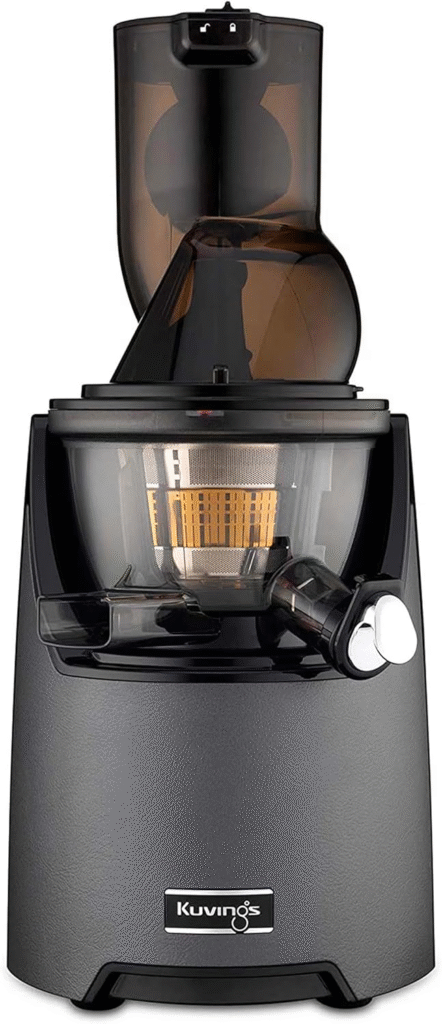
- Pros: Wide feed chute, great juice quality
- Cons: Expensive
- Best For: Families and frequent juicers
4. Tribest Greenstar Elite
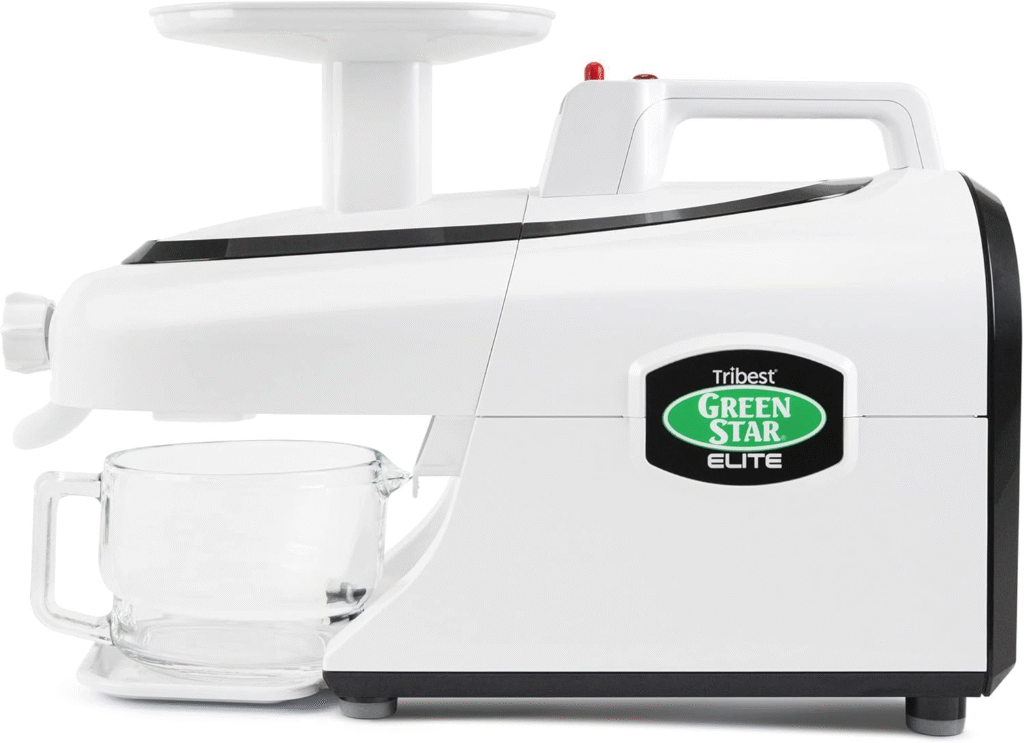
- Pros: Twin gear tech for max nutrition
- Cons: Steep learning curve
- Best For: Hardcore wellness warriors
5. Aobosi Slow Masticating Juicer
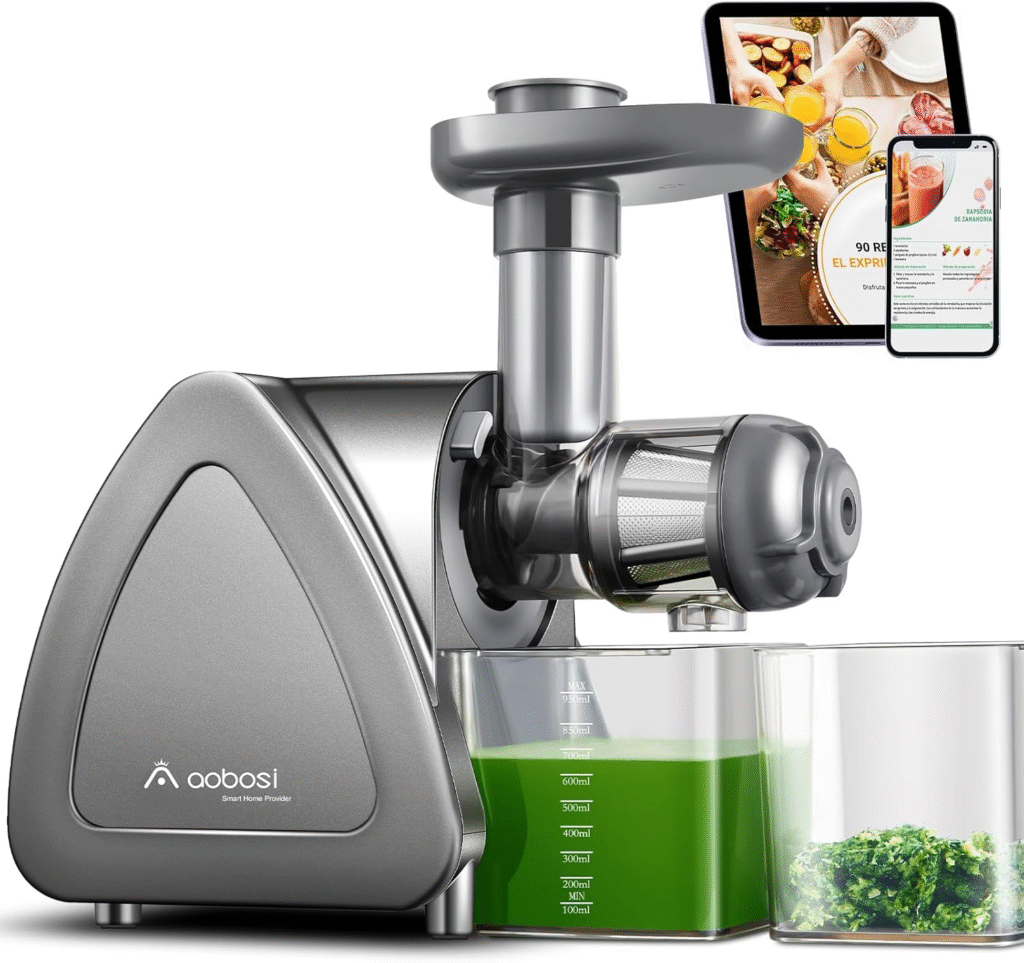
- Pros: Affordable, compact
- Cons: Lower juice yield for hard produce
- Best For: Beginners
6. Nama J2 Cold Press Juicer
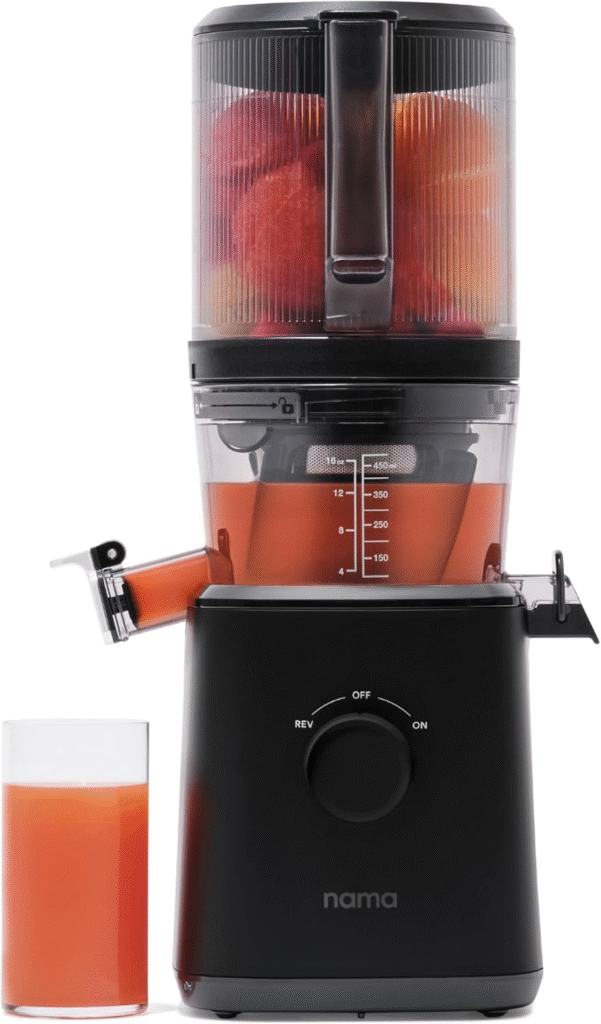
- Pros: Hands-free loading, quiet motor
- Cons: Still relatively new to the market
- Best For: Convenience lovers
7. Breville Juice Fountain Cold XL

- Pros: High capacity, fast prep
- Cons: Not 100% masticating
- Best For: People in a hurry
Cold Press Juicer Comparison Table
| Juicer | RPM | Best For | Price Range | Notable Feature |
|---|---|---|---|---|
| Omega NC900HDC | 80 | All-purpose | $429.95 | Multi-use attachments |
| Hurom H-AA | 43 | Leafy greens | $399.00 | Stylish and quiet |
| Kuvings EVO820 | 50 | Whole fruits | $599.95 | Wide chute |
| Tribest Greenstar Elite | 110 | Nutrient retention | $549.95 | Twin gear technology |
| Aobosi Juicer | 80 | Budget-friendly | $74.99 | Easy to clean |
| Nama J2 | 50 | Hands-free juicing | $580.00 | Load-and-walk-away feature |
| Breville Cold XL | 6500+ | Speed | $267.95 | Centrifugal + Cold Tech |
How to Use a Cold Press Juicer Like a Pro
Prep Tips
Wash, peel (if needed), and chop your produce. Even if your juicer has a wide chute, smaller pieces help with smoother juicing.
Cleaning Hacks
Clean right after use to avoid dried pulp nightmares. Use the included brush for mesh filters.
Best Time to Juice
Morning is great for an energy boost. But anytime you’re hungry for a nutritious snack works!
Common Mistakes to Avoid
Overloading the Chute
Take it easy. Stuffing too much in at once can jam the machine.
Juicing Too Fast
Let the juicer do its thing. Rushing the process defeats the purpose of “slow” juicing.
Neglecting Maintenance
Regular deep cleaning keeps your juicer running like a champ.
Cold Press Juicing for Different Needs
Best for Greens
Go for the Hurom H-AA or Tribest Greenstar.
Best for Fruits
Kuvings EVO820 handles soft fruits like a pro.
Best for Celery
Omega NC900HDC is celery’s best friend.
Best for Nut Milk
Try the Nama J2 for smooth, creamy almond or oat milk.
Budget vs Premium Juicers – What’s Worth It?
If you’re juicing daily, a premium model pays off in quality and durability. For occasional use, a budget model like Aobosi will do the trick.
Cold Press Juicers for Beginners
New to juicing? Start with something simple, like the Aobosi or Omega models. Easy to use, clean, and won’t scare your wallet.
Cleaning and Maintenance Tips
- Disassemble and rinse immediately
- Use vinegar or lemon water to soak tough stains
- Dry completely to avoid mold
- Lubricate seals if recommended by the manufacturer
Final Thoughts
Cold press juicers aren’t just fancy kitchen toys—they’re investments in your health. Whether you’re a juice newbie or a health fanatic, there’s a cold press juicer out there that’ll match your needs and lifestyle. From the budget-friendly Aobosi to the all-star Omega NC900HDC, you’re now equipped to pick your perfect match.
FAQs
Are cold press juicers really better?
Yes! They retain more nutrients and enzymes because they don’t generate heat during juicing.
Can you juice leafy greens in a cold press juicer?
Absolutely. In fact, they’re the best for it. Greens like spinach and kale yield more juice this way.
How long does cold-pressed juice last?
Up to 72 hours if stored properly in the fridge in an airtight container.
Is it hard to clean a cold press juicer?
Not really. If you clean it right after use and follow the instructions, it becomes second nature.
What’s the difference between masticating and triturating juicers?
Masticating uses a single auger, while triturating uses twin gears for even more juice and nutrients—often at a higher price.