Are you thinking about transforming your kitchen with a stylish and modern upgrade? Finding the right contractor for your kitchen renovation can be tough.

With many options, knowing what to look for is key. We’ll help you figure out what you need, set a budget, and find the best contractor.
Key Takeaways
- Assess your needs and set a realistic budget
- Research and shortlist possible contractors
- Check for licenses, certifications, and reviews
- Get multiple quotes and compare services
- Ask the right questions during the consultation
Understanding Your Kitchen Remodel Needs
A good kitchen remodel starts with knowing your current kitchen well. You also need a clear idea of what you want to change. Look at your kitchen and think about what needs to get better.
Assessing Your Current Kitchen’s Limitations
Start by checking your kitchen’s layout, storage, and how it works. Think about what’s not working right. Make a list of these problems to help decide what to change.

Defining Your Remodeling Goals
After finding out what’s wrong, decide what you want to fix. Do you need more storage, a better flow, or a new look? Prioritize your goals so your remodel does what you need. A design expert said, “A kitchen remodel is not just about looks; it’s about creating a functional space that makes your life easier.”
“The kitchen is the heart of the home, and a well-designed kitchen can make all the difference in how you live and interact with your family.”
Setting Realistic Expectations
It’s key to have realistic hopes for your kitchen remodel. Think about your budget, timeline, and any disruptions. Communicate clearly with your contractor to meet your expectations. Knowing your needs and setting realistic goals helps you through the remodel.
Establishing a Realistic Budget for Your Kitchen Renovation
Establishing a practical budget is essential for a smooth and successful kitchen remodel. It helps decide everything from materials to contractors.
Cost Factors in Kitchen Remodeling
Knowing the cost factors is important for budgeting. These include material, labor, and permits. The price of materials can differ significantly depending on their grade and manufacturer. For example, countertops can be cheap laminate or expensive granite or quartz.
Labor costs are big too. Experienced contractors might cost more but can avoid mistakes.

Creating a Financial Buffer for Unexpected Expenses
Unexpected costs can happen during a kitchen renovation. Creating a financial buffer helps manage these surprises. Experts say to save 10-20% of your budget for emergencies.
“An emergency reserve isn’t just precautionary—it’s absolutely vital for handling the inevitable surprises that come with remodeling work.” –
Renovation Expert
Financing Options for Kitchen Remodels
Financing is often needed for kitchen renovations. Popular financing options include home equity loans, personal loans, and credit cards. Every option carries distinct advantages and limitations, shaped by your specific circumstances.
- Home equity loans have lower interest rates but use your home as collateral.
- Personal loans are unsecured but might have higher interest rates.
- Credit cards are good for small expenses but can have high interest if not paid fast.
When to Splurge vs. When to Save
Deciding when to spend more and when to save is important. Investing in quality for key areas like cabinets and countertops is wise. But, saving on less important things like backsplashes or lighting can be smart too.
By thinking about your budget, costs, and financing, you can make a good plan for your kitchen renovation.
Researching “Kitchen Remodel Near Me” Options Effectively
When you search for ‘kitchen remodel near me,’ it’s key to use good research methods. This helps you find top contractors in your area. You can use online tools and ask friends for tips to make a list of contractors.
Using Local Search Engines and Directories
Begin by using local search engines and directories like Google Maps. Look for contractors close to you. Make sure to filter results to find the most relevant ones.
Tips for effective local search:
- Use specific keywords like “kitchen remodel near me” or “kitchen contractors near my location.”
- Check online reviews and ratings.
- Look for contractors with a strong online presence.
Leveraging Social Media for Contractor Research
Platforms like Instagram and Facebook can be valuable resources for discovering skilled renovation professionals. Look for those with active profiles and lots of positive feedback.
Benefits of social media research:
- View portfolios and previous work.
- Read client testimonials.
- Get a sense of their customer service.

Exploring Home Improvement Platforms
Home improvement sites like Houzz, HomeAdvisor, or Angie’s List can help you find contractors. These sites have reviews, portfolios, and contact info.
Asking for Recommendations from Friends and Family
Get recommendations from people you trust—like relatives, colleagues, or nearby homeowners who’ve recently upgraded their kitchens. Their experiences can give you valuable insights and trusted referrals.
What to ask:
- Their overall satisfaction with the contractor.
- The contractor’s professionalism and communication.
- Any issues that arose during the project.
The Importance of Checking Contractor Credentials
Checking a contractor’s credentials is key to a good kitchen remodel. It means making sure they are qualified to do the job.
Verifying Licenses and Insurance
First, check if your contractor is licensed and insured. A real contractor will give you their license and insurance info. You can check this on your state’s website. Make sure their insurance covers both liability and worker’s compensation to protect you.
Understanding Certification Requirements in Your State
States have different rules for contractor certifications. Some need special certifications for jobs like electrical or plumbing. Find out what your state requires for your project. When you hire an accredited professional, you benefit from up-to-date knowledge of regulations and innovative techniques.

Red Flags to Watch For
Look out for signs of a bad contractor. These include not wanting to give references or insurance info, very low prices, and bad reviews. If a contractor is pushy or secretive, don’t trust them.
Checking with the Better Business Bureau
The Better Business Bureau (BBB) can help you check a contractor’s reputation. Visit the BBB website to see if there are complaints. A contractor with a good BBB rating is likely reliable and professional.
Reading and Interpreting Online Reviews
To find a trustworthy contractor, it’s key to know how to read online reviews well. Customer feedback reveals a contractor’s workmanship, dependability, and professionalism.
Looking Beyond Star Ratings
Star ratings give a quick look at a contractor’s reputation. But, they don’t show everything. It’s important to read the real reviews to see what’s good and bad. Look for patterns, like lots of praise or complaints about delays.
Identifying Authentic vs. Fake Reviews
Not all reviews are real. Be skeptical of extremely glowing or harsh reviews—both could be misleading. Check the reviewer’s history to see if they’ve reviewed other places. Real reviews usually have specific details.

Asking for References from Past Clients
Online reviews are helpful, but asking for references gives more personal info. Don’t hesitate to inquire about their background and expertise in detail.
What to Ask Previous Customers
When you talk to references, ask about meeting deadlines, communication, and solving problems.
“The best way to get a true sense of a contractor’s abilities is by talking to their previous clients,”
says a seasoned homeowner.
By using these tips, you can make a better choice for your kitchen remodel.
Examining Contractor Portfolios and Previous Work
Looking for the right contractor? Start by checking their portfolios and past work. This helps make sure their style and quality fit what you want. A contractor’s portfolio shows their past projects, skills, and design style.
What to Look for in Before-and-After Photos
Before-and-after photos are key in a contractor’s portfolio. Look at the workmanship, detail, and how the space changed. Notice the materials, design complexity, and if it matches the original idea.
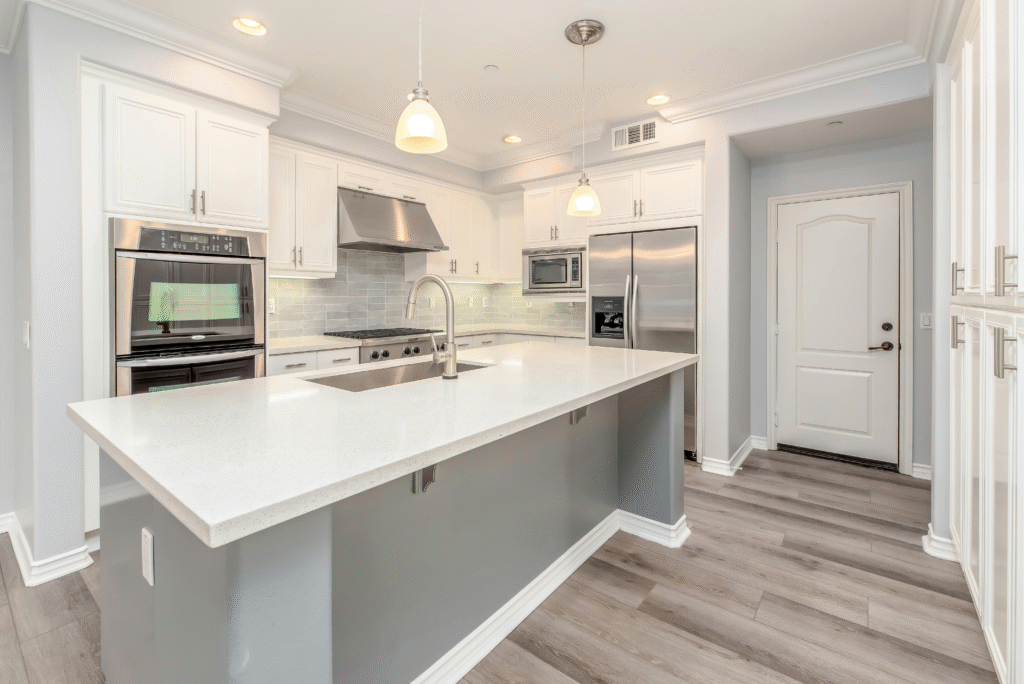
Requesting In-Person Visits to Completed Projects
Seeing projects in person is very helpful. You can see the materials, work quality, and finish up close. It’s also a chance to talk to the homeowner about their experience.
Evaluating Workmanship Quality
Checking the work quality is important. Look for professional signs like precise measurements and smooth finishes. Avoid any signs of bad work, as they might cause problems later.
Assessing Design Style Compatibility
Make sure the contractor’s style matches yours. Look at their portfolio for similar projects. This ensures they get your vision right.
The Interview Process: Questions to Ask Contractors
Finding the right contractor for your kitchen renovation is key. Asking the right questions is important. This lets you see if they’re a good fit for your project.

Experience and Specialization Questions
Experience and specialization matter a lot. Ask: “How long have you been in business?” “Can you show me examples of kitchen remodels you’ve done?” and “Do you have any special training in kitchen renovations?”
A contractor with lots of experience can handle surprises better. Remodeling Magazine says, “A contractor’s experience shows in how they deal with unexpected problems.”
Timeline and Process Questions
It’s important to know the contractor’s timeline and how they work. Ask: “How long will the project take?” “How do you plan the renovation?” and “What are the important steps and deadlines?”
Knowing this helps you and the contractor agree on what to expect and when.
Communication and Problem-Solving Questions
Good communication is key for a successful renovation. Ask: “How will we talk during the project?” “Who will be my main contact?” Clear communication forms the foundation of every successful remodel. What’s your process for addressing challenges or adjustments? It ensures that issues are addressed promptly and that the project stays on track.”
Subcontractor Management Practices
Contractors often use subcontractors. It’s good to know how they manage them. Ask: “How do you pick and manage subcontractors?” “Are your subcontractors licensed and insured?” What quality control measures do you implement during projects?
Project Management Approach
Knowing how the contractor manages projects is helpful. Ask: “What tools or software do you use for project management?” “How do you organize tasks and manage time?” What strategies do you use to ensure costs stay within the agreed budget?
By asking these questions, you can really understand who to choose for your kitchen remodel.
Understanding Quotes and Estimates
A good quote is key for a successful kitchen remodel. It makes costs and services clear. Contractors list the work, materials, and labor costs in their quotes.
Breaking Down the Components of a Quote
A detailed quote breaks down costs into materials, labor, and overheads. Look for itemized lists. They should show how much and what each part costs.
Red Flags in Contractor Estimates
Be careful of quotes that seem too good to be true. They might mean cut corners or low-quality materials. Also, watch for hidden fees or unclear descriptions.

Negotiation Strategies That Work
Don’t be afraid to talk about the quote. Ask contractors to clarify or adjust certain aspects. You can also try to change the scope of work or materials to save money.
The Contract: Essential Elements to Include
Your contractor contract is key to a good remodeling. It keeps you and your contractor safe. It makes sure the project is done right, on time, and within budget.
Payment Schedule and Terms
A clear payment schedule is very important. It should list the total cost, when to pay, and how to pay. Make sure you know when to pay and what a valid invoice looks like.
Project Timeline and Milestones
The contract must have a detailed project timeline. It should show when the project starts and ends, and key milestones. This helps track the project and spot delays early.

Change Order Procedures
Change orders happen in remodeling. The contract should explain how to ask for changes and the cost. This avoids confusion later.
Warranty and Guarantee Information
Knowing what’s covered by warranty is important. The contract should explain the warranty for materials and work. This gives you confidence in the quality.
Dispute Resolution Clauses
Even with the best plans, disagreements can happen. The contract should say how to solve disputes, like mediation. This saves time and money compared to court.
By adding these key parts, homeowners can make sure their contract is strong. It protects their interests well.
Planning Your Kitchen Design with Professionals
To make a kitchen that fits your needs and looks good, you need professionals. A good kitchen makes your home look better and work better too.
Working with Kitchen Designers vs. Contractors
When you’re planning a kitchen makeover, knowing the difference is key. Kitchen designers focus on making spaces look good and work well. Contractors handle the building and putting things together. Working with both is best for a kitchen that looks great and is well-made.
Communicating Your Vision Effectively
Talking clearly with kitchen design pros is important. Make a portfolio of what you like, with pictures and materials. Talk about what you need, how much you can spend, and when you want it done. This ensures your designer can create a kitchen tailored to your unique lifestyle and preferences.
Balancing Aesthetics with Functionality
A good kitchen design is both pretty and useful. Your designer should pick materials and layouts that look good and work for you. Think about how you move around, store things, and use your kitchen every day.
Future-Proofing Your Kitchen Design
When planning your kitchen layout, consider how your needs may evolve over time. Choosing designs and materials that last is smart. It helps you avoid spending more money later and reduces stress.
Material Selection: Quality vs. Cost Considerations
Selecting premium materials for your kitchen renovation requires balancing durability with budget considerations. Homeowners face many choices, like countertops, cabinets, flooring, and appliances.
Countertop Material Options and Durability
Countertops are important in kitchens. They need to look good and last long. Granite and quartz are popular for these reasons.
Granite is natural and looks great but costs more. It also needs to be sealed often. While quartz offers uniform aesthetics and low maintenance, it comes with a higher initial investment.
Cabinetry Choices and Construction Quality
Cabinets are very important. Their quality affects how long they last and how well they work. Custom and semi-custom cabinets are better but cost more than stock cabinets.
The choice depends on your budget, design needs, and what you like.
Flooring Options for Kitchen Environments
Kitchen floors need to be tough and not get damaged by water. Hardwood flooring looks nice but needs more care. Porcelain and ceramic tiles excel in moisture resistance and require minimal maintenance to keep pristine.
Appliance Selection and Energy Efficiency
Choosing appliances means finding a balance between saving money and energy. Energy Star-rated appliances cost more at first but save money on bills later.
Fixtures and Hardware Considerations
Fixtures and hardware make a kitchen look good. Durable materials like brass or stainless steel for hardware last longer. LED fixtures combine energy efficiency with sleek, modern illumination for any space.
By thinking about quality and cost, homeowners can make a kitchen that looks great and works well. It meets their needs and stays within their budget.
Preparing Your Home for a Kitchen Remodel
Before the renovation starts, get your home ready for a kitchen remodel. This step helps reduce mess and makes the process easier for everyone.
Setting Up a Temporary Kitchen
Having a temporary kitchen is very important. Consider versatile spaces such as your dining area or garage for optimal placement. Put in a microwave, toaster oven, and coffee maker. This keeps your daily life a bit normal.
Protecting Adjacent Areas from Dust and Damage
Dust from renovations spreads fast. Use plastic sheets or doors to seal off the kitchen. Cover floors and furniture with drop cloths. A HEPA air purifier can also help keep the air clean.
Planning for Pets and Children During Construction
Remodeling can stress pets and kids. Make a safe area for them away from the work. You might need a pet sitter or a friend to help during busy times.
Essential Items to Keep Accessible
Make sure snacks, water, and meds are easy to get. Don’t overlook safety essentials—keeping a well-stocked first aid kit accessible is just as crucial as your renovation plans. Thoughtful preparation separates smooth projects from stressful ones.
Managing the Remodeling Process
Managing your kitchen remodel well can make a big difference. It can turn a smooth renovation into a chaotic one. To get a good result, you need to manage it from start to finish.
Effective Communication with Your Contractor
Talking clearly with your contractor is very important. Pick a way to talk, like phone calls, emails, or apps. This way, you and your contractor will always agree.
Handling Unexpected Issues and Changes
Even with good planning, surprises can happen during a remodel. Being ready for these changes is key. Stay flexible and work with your contractor to find good solutions.
Here are some tips for dealing with surprises:
- Have extra money for unexpected costs
- Check the project’s progress often with your contractor
- Look for ways to save time or money
Maintaining a Construction Journal
Keeping a construction journal is very helpful. It lets you track daily progress and note any problems. It also helps keep a clear record of the project.
When to Step In vs. When to Step Back
It’s important to know when to help and when to let your contractor do their job. Trust your contractor’s skills but be ready to help if needed. Consistent check-ins help you stay informed without feeling micromanaged.
By following these tips, you can manage your kitchen remodel well. You’ll enjoy making your dream kitchen a reality.
Inspections and Quality Control During Remodeling
Thorough checks and quality assurance are essential for a successful kitchen renovation. They make sure your project follows building codes and standards. A good plan can prevent costly mistakes and keep everyone safe.
Understanding Building Permits and Inspections
Before starting your kitchen remodel, learn about building permits and inspections. Building permits check if your renovation follows local rules. Inspections happen at different stages to make sure everything is right.
“The permit process is in place to protect homeowners and ensure that work is done to code,” says a seasoned contractor. Beyond just dodging penalties, it’s about ensuring top-tier safety and excellence.
Creating a Quality Control Checklist
A quality control checklist helps homeowners check if their kitchen remodel is up to par. It should include things like:
- Material quality and installation
- Workmanship standards
- Compliance with building codes and permits
- Timeliness and project management
When to Bring in Third-Party Inspectors
It might be smart to get third-party inspectors for an unbiased look. This is good for complex projects or when you don’t trust your contractor’s quality control.
Common Code Compliance Issues in Kitchens
Common problems in kitchen remodels include electrical wiring, plumbing, and ventilation. Making sure these are done right is key for safety and following rules. Homeowners should know about these issues and work with their contractors to fix them.
Post-Remodel Considerations
After your kitchen remodel, you need to do a few important things. This makes sure your kitchen looks good and works well. It also makes sure it’s safe.
Final Walk-Through Procedures
Do a final walk-through with your contractor. This makes sure everything is done right. You can check things like cabinets, countertops, and appliances.
Warranty Claims and Follow-Up Work
It’s important to know about warranties for your kitchen. Look at the warranties from your contractor and makers. Know how to make a claim if needed. Also, plan for any extra work or upkeep.
Maintenance Tips for Your New Kitchen
To keep your kitchen looking great, you need to maintain it. Clean and care for surfaces, check filters, and look at appliances often. These steps help your kitchen last longer and stay beautiful.
When to Consider Minor Updates in the Future
Kitchens can always use a little update. Keep up with trends and check your kitchen’s use. This helps you know when to make small changes to keep your kitchen looking good.
Conclusion: Enjoying Your Newly Remodeled Kitchen
Once your kitchen renovation is complete, savor the rewards of your effort and craftsmanship. A new kitchen makes your home look better and works better. It makes cooking and having guests fun.
Take time to love the little things in your new kitchen. The materials and design show off your style. Every day, you get to enjoy your kitchen, whether for dinner parties or family meals.
To keep your kitchen looking great, follow your contractor’s maintenance tips. This way, your kitchen stays beautiful and useful for a long time. Enjoying your kitchen every day is the best reward for your hard work.
Buy all kitchen products and accessories at amazon >>>
FAQ
What is the average cost of a kitchen remodel?
The cost of a kitchen remodel changes a lot. It depends on the kitchen size, materials, and where you live. On average, it can cost from $12,000 to $35,000 or more.
How long does a kitchen remodel typically take?
The time for a kitchen remodel varies. It depends on the project size, design complexity, and material and labor availability. Usually, it takes 6 to 12 weeks or more.
Do I need a permit to remodel my kitchen?
Yes, you usually need a permit for a kitchen remodel. The exact permit needs change by location. It’s best to ask your local building department for details.
Selecting the perfect contractor for your kitchen renovation requires careful consideration—what key factors should you prioritize?
To pick the right contractor, look at their experience, reputation, and licenses. Make sure they have insurance. Also, get several bids, check references, and look at their work.
Which pitfalls should you steer clear of when renovating your kitchen to ensure a smooth process?
Avoid planning mistakes, bad budgeting, and ignoring the “work triangle” in design. It’s important to work with a good contractor and check their work often.
What strategies can help reduce downtime and chaos while renovating your kitchen?
To reduce disruptions, set up a temporary kitchen. Protect other areas from dust and damage. Plan for pets and kids during the remodel. Good communication with your contractor helps a lot.
What are some popular kitchen design trends?
Popular trends include using sustainable materials and adding technology. Focus on function and workflow. Bold colors, statement lighting, and glossy finishes are also in style.
How can I ensure my kitchen remodel is energy-efficient?
For an energy-efficient kitchen, use energy-saving appliances and LED lights. Choose sustainable materials. Collaborate with your contractor to create an energy-efficient design and layout.